Hyperpigmentation is a common skin concern that can affect anyone, resulting in uneven skin tone, dark spots, and patches caused by excess melanin production. Sun exposure, hormonal changes, acne scars, and inflammation are common triggers. If you are considering treatment for hyperpigmentation, two popular options are chemical peels and laser therapy. Both methods are effective, but they work differently and may be suited for different skin types and concerns.
How Chemical Peels Work
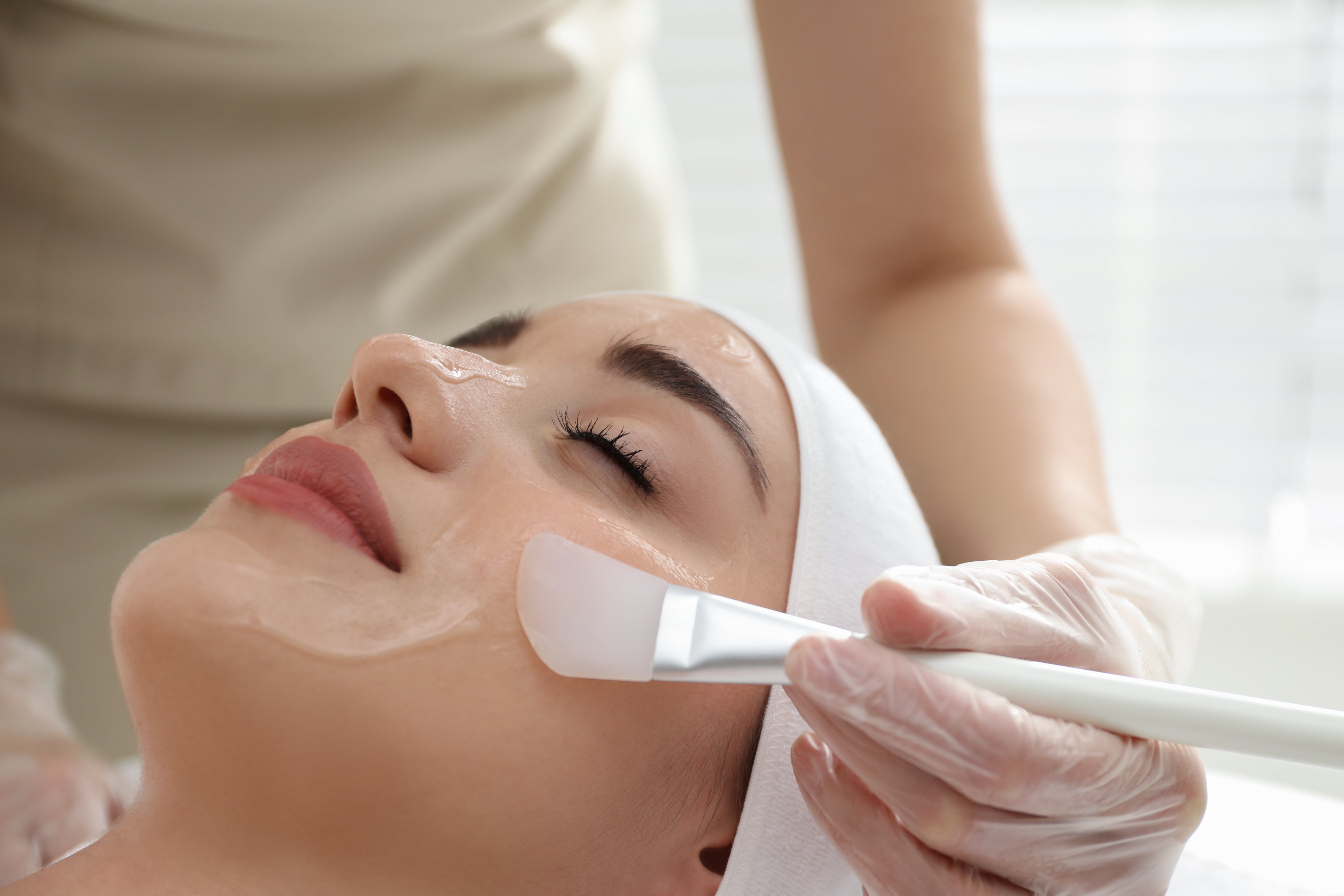
Chemical peels involve applying a solution to the skin that exfoliates the outer layers. The strength of the peel can vary, from superficial to deep treatments. Superficial peels gently remove dead skin cells, promoting cell turnover and improving skin texture. Medium to deep peels penetrate further into the skin, targeting more stubborn pigmentation and signs of aging.
The benefits of chemical peels include gradual improvement in skin tone, reduced appearance of sun spots, and smoother skin. Recovery time depends on the depth of the peel. Superficial peels typically have minimal downtime, while deeper peels may require several days to a week for the skin to fully heal. Chemical peels are often recommended for individuals with mild to moderate hyperpigmentation or for those who want a gradual, natural improvement.
How Laser Therapy Works
Laser therapy uses targeted light energy to break down excess melanin in the skin. Different types of lasers are available, each designed to address specific pigmentation concerns. Laser treatments can target deeper layers of the skin without affecting the surrounding tissue, making them effective for persistent dark spots and uneven tone.
Laser therapy offers quicker results compared to chemical peels. Many patients notice significant improvement after just one session, although multiple treatments may be needed for optimal results. It is often preferred for more severe hyperpigmentation or for individuals who want faster results. Recovery is usually short, with mild redness and swelling that typically resolve within a few days.
Comparing the Options
When deciding between chemical peels and laser therapy, consider your skin type, the severity of hyperpigmentation, and your lifestyle. Chemical peels are more gradual and may require repeated treatments for the best results. They can also improve overall skin texture and address minor acne scars. Laser therapy is faster and more precise but may be slightly more invasive and costly. Some patients may combine both treatments for enhanced results.
It is important to consult with a qualified professional to determine the most suitable treatment. Skin type plays a significant role in selecting the right approach. Individuals with darker skin tones should be cautious with laser therapy, as certain lasers may increase the risk of pigmentation changes. A thorough assessment ensures safety and effectiveness.
Maintaining Results
Regardless of the treatment chosen, protecting your skin from sun exposure is crucial. Using broad-spectrum sunscreen, avoiding tanning beds, and following a consistent skincare routine will help maintain results and prevent future pigmentation. Incorporating antioxidants and gentle exfoliation can further support healthy, even-toned skin.
Take the Next Step
If you are struggling with uneven skin tone or dark spots, CGO Med Aesthetics offers expert Hyperpigmentation Treatment in San Diego, CA. Schedule a consultation today to explore personalized solutions, whether through chemical peels, laser therapy, or a combination of both, to achieve a radiant, even complexion.